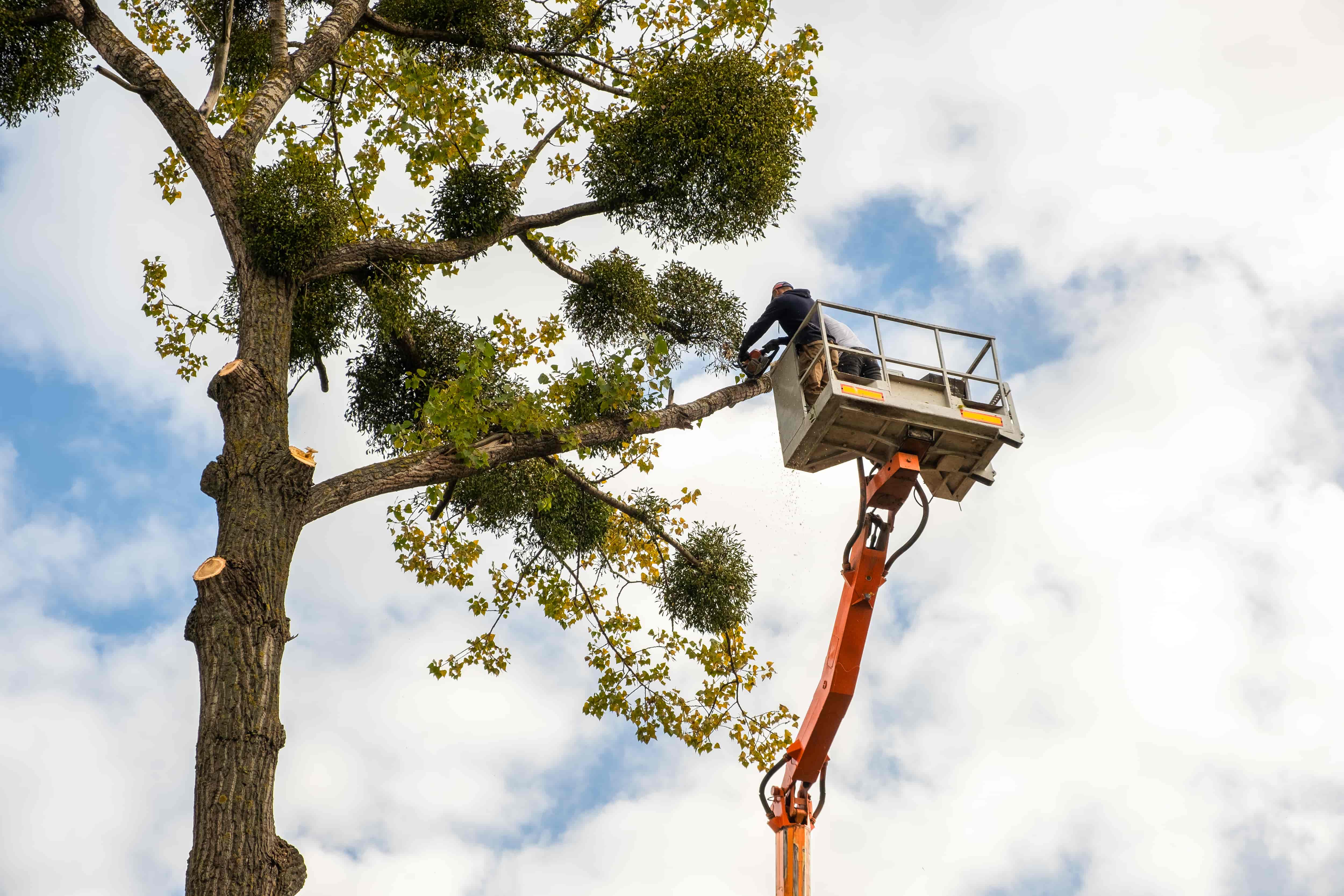
Tree Trimming for Large Trees
Show More
Written by Carson M | Writer/Editor, Team Always AddValue

Large trees add supreme beauty, offer shade, and value, but when they grow unchecked, they also introduce serious risk. Tree trimming for large trees isn’t simply “more trimming.” It’s specialized work that requires advanced planning, equipment, and experience. Understanding what makes large-tree trimming different helps property owners protect their investment while avoiding costly and dangerous outcomes.
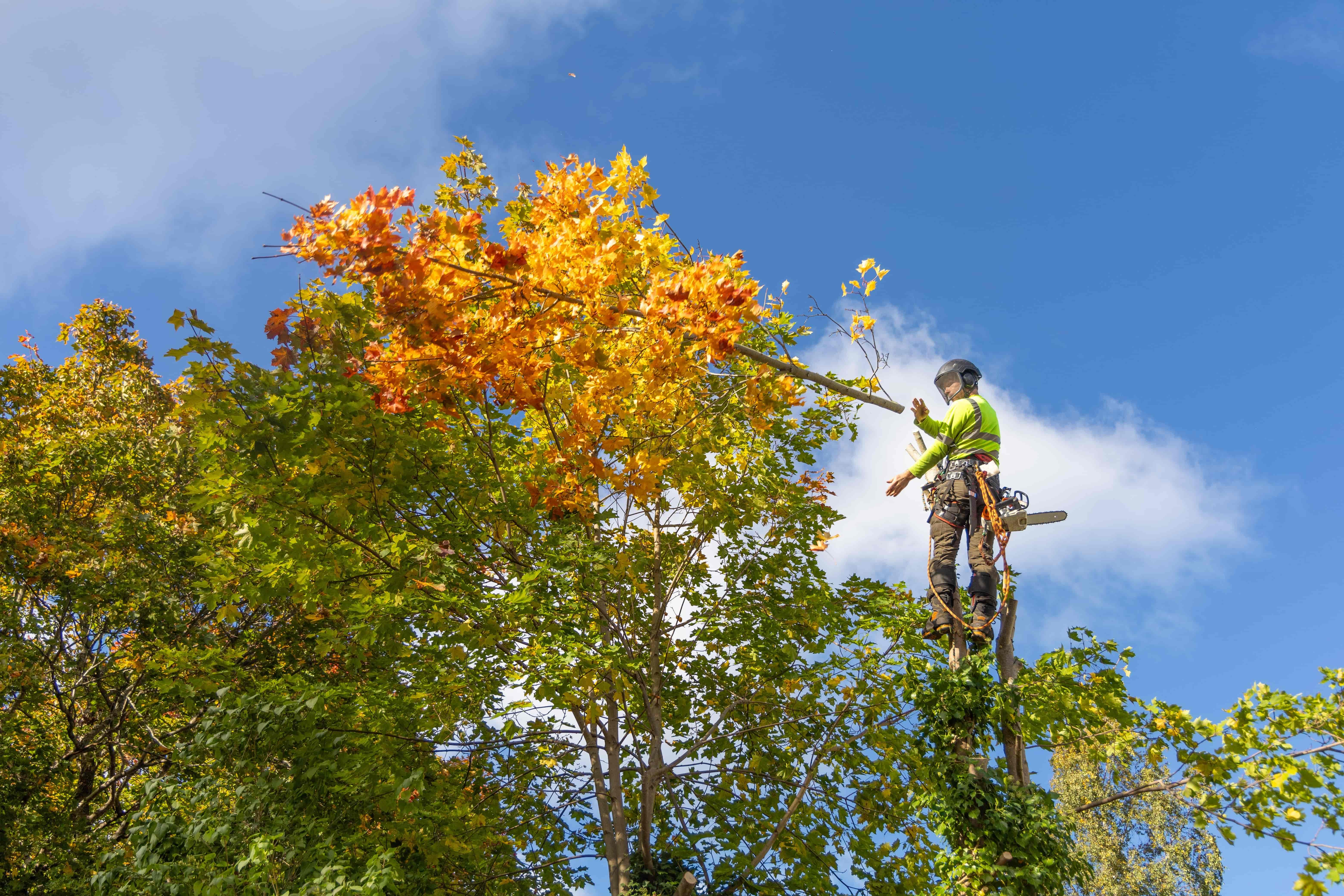
Large trees carry exponentially more weight than smaller ones. A single limb can weigh hundreds of pounds, and once cut, gravity takes over instantly. This makes trimming large trees far more complex than routine pruning.
The Occupational Safety and Health Administration (OSHA) classifies tree care as hazardous work due to falls and struck-by injuries, risks that increase significantly with tree size.
With large trees, margin for error is minimal.
As trees mature, structural issues become more consequential. Weak branch unions, long horizontal limbs, and internal decay are harder to detect and more dangerous when present in large canopies.
Tree trimming for large trees focuses on:
Without proper trimming, large trees are more likely to fail during storms or high winds.
Large trees are often located near homes, driveways, sidewalks, or commercial structures. Trimming branches in these areas requires precise control to avoid damage.
Moreover, as per industry reports, overhanging limbs significantly increase the likelihood of storm-related property damage.
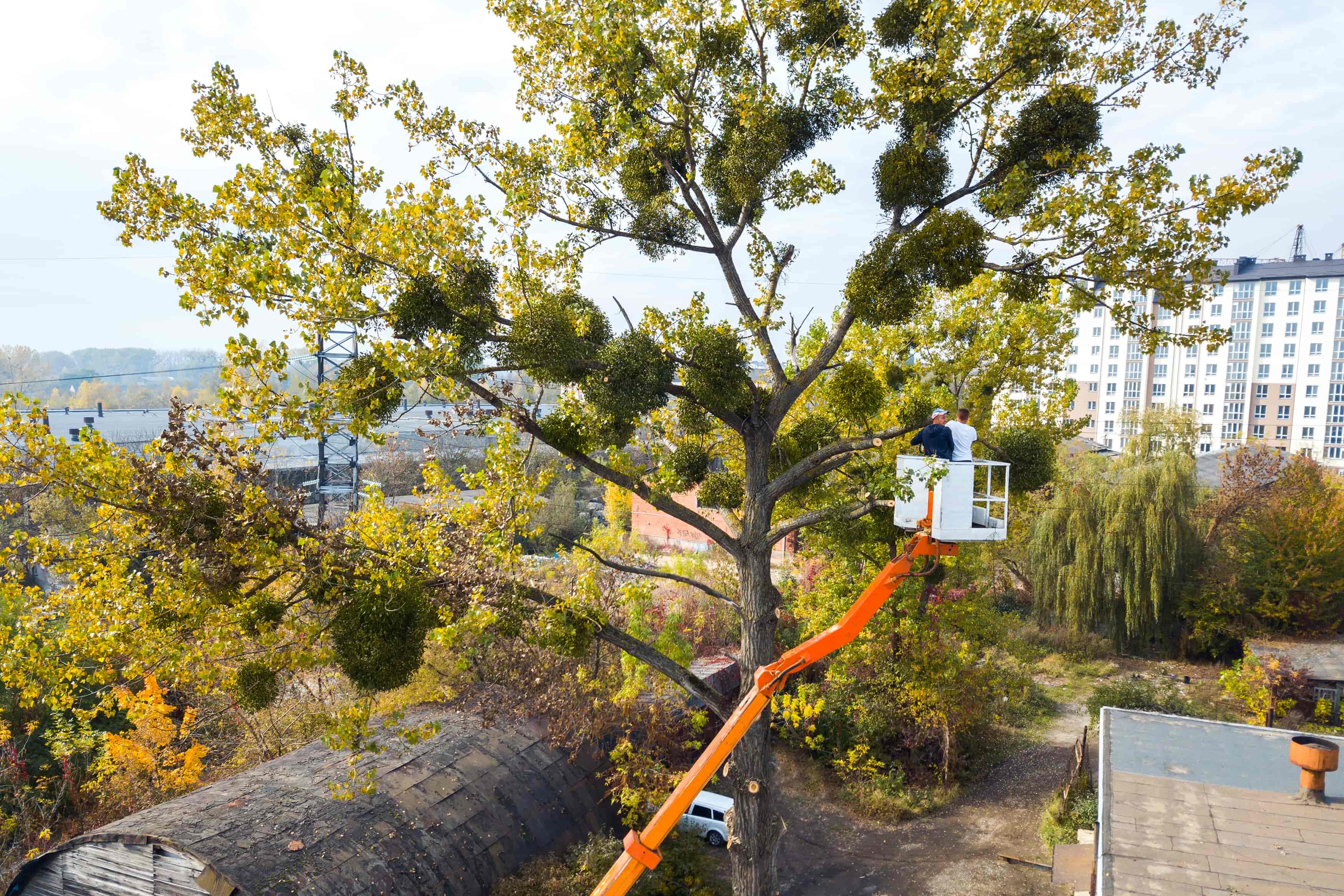
Professional trimming uses rigging systems to lower branches safely instead of letting them fall freely.
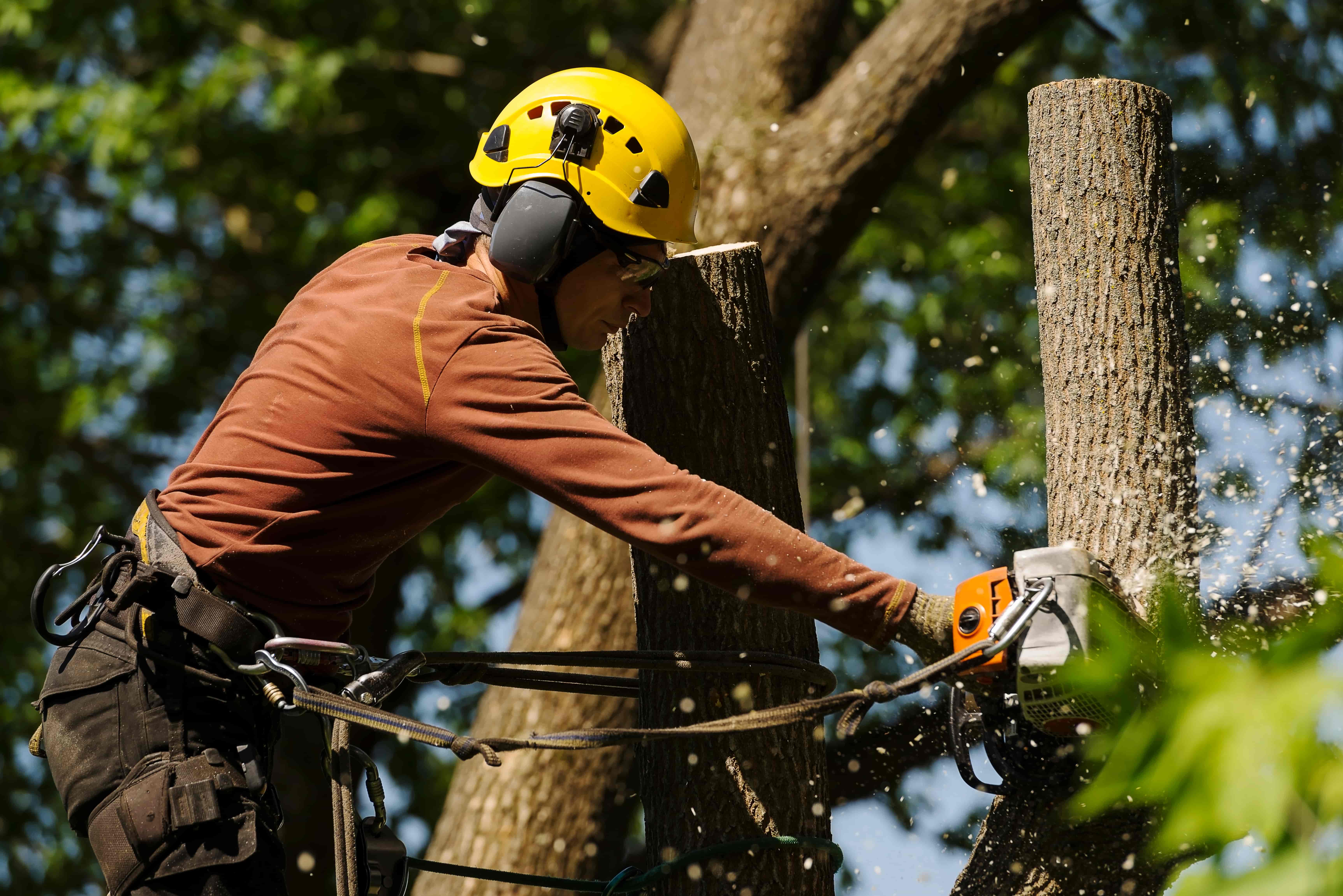
Tree trimming for large trees cannot be performed safely with basic tools. Professional crews rely on:
These tools aren’t optional, they’re essential for safety and precision when working at scale.
DIY trimming becomes especially dangerous as tree size increases. Ladders, extension saws, and rental tools are no substitute for professional training and equipment.
The U.S. Consumer Product Safety Commission (CPSC) reports that falls and chainsaw-related injuries are common among homeowners performing outdoor maintenance. With large trees, the consequences of a mistake are often severe.
Large trees store years, sometimes decades, of growth energy. Over-trimming can shock mature trees, triggering decay, excessive regrowth, or long-term decline.
Professional tree trimming for large trees emphasizes:
It is observed that mature trees respond best to conservative, well-planned pruning rather than aggressive cutting. This approach protects longevity as well as safety.
Large trees often impact more than one property. Limbs may extend over neighboring yards, parking areas, or public walkways. Failure to maintain these trees can expose property owners to liability and cause unplanned expenditures.
Hiring insured professionals helps manage this risk. Professional services carry coverage designed specifically for high-risk tree work, protecting property owners from unexpected claims.
Tree trimming for large trees is as much a risk-management decision as it is a maintenance one.
Some warning signs indicate trimming should not be delayed:
Addressing these issues early often prevents emergency situations later.
Properly trimmed large trees:
Regular, professional trimming extends the usable life of large trees while reducing long-term costs.
Tree trimming for large trees demands experience, planning, and respect for risk. Professionals evaluate tree structure, surroundings, and future growth, not just what needs cutting today.
That level of foresight protects people, property, and the tree itself.
Tree trimming for large trees isn’t routine maintenance, it’s specialized work with high stakes. When handled professionally, large trees remain assets rather than liabilities, providing beauty and shade without compromising safety or peace of mind.